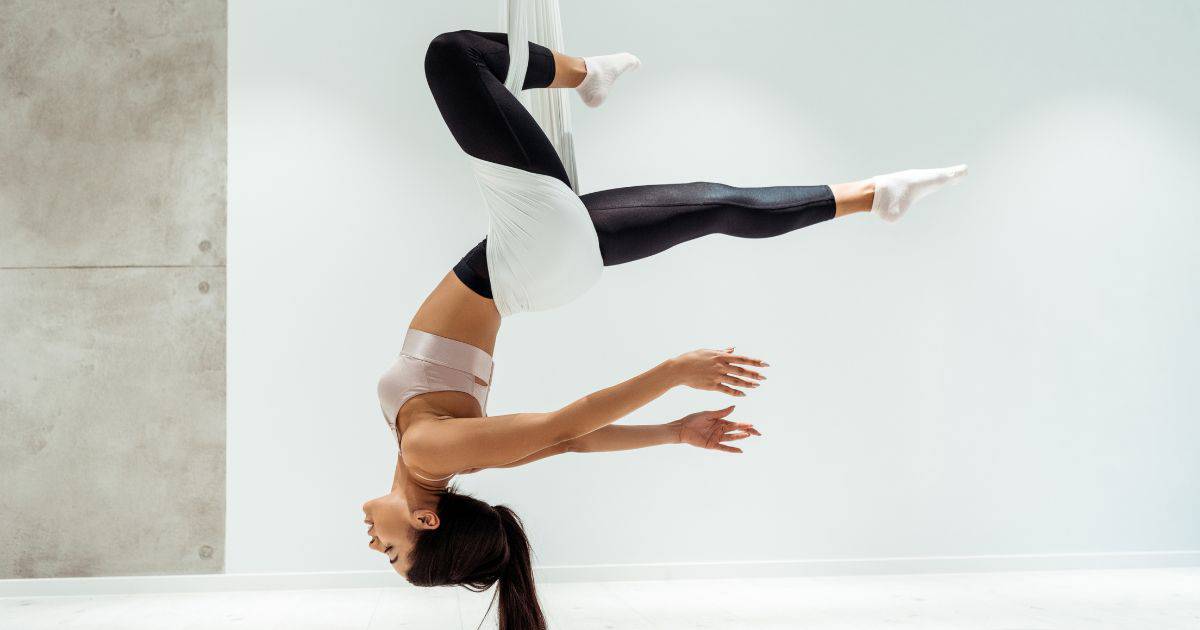
Inversion yoga poses are a great way to stretch your body and mind. Going upside down builds strength and body awareness, and many people find it calming. But some of the benefits you’ll read about online go further than the evidence, so in this guide we’ll look at what inversions can and can’t do, and who should take care.
Related: Is it safe to go upside down during your period?
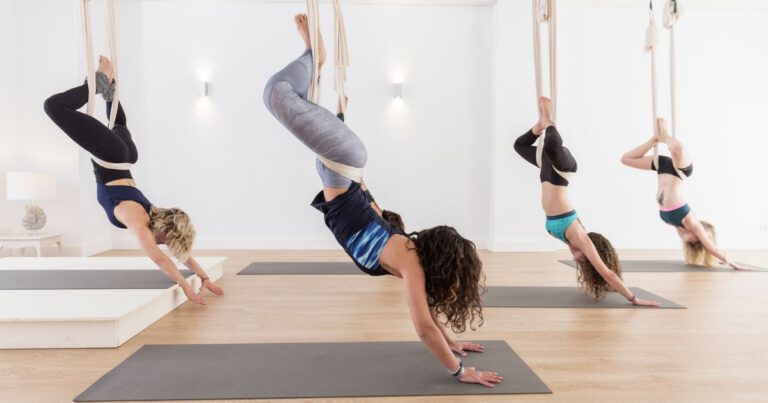
You don’t need an aerial yoga hammock or aerial silks at home for many of the poses mentioned in this article, many of them can be done on the floor with no specialist equipment at all.
Are inversions good for you?
Inversions can be a calming, strengthening part of a yoga practice, but many popular claims about them go too far. They don’t send extra blood to your brain,1 and there’s no good evidence they aid digestion or lymphatic drainage. They do raise the pressure in your eyes and head, so check with your doctor first if you have glaucoma, high blood pressure or heart disease.2
But first, let’s explore some of the benefits of inversion yoga.
Spending time upside down, at the very least, gives us a new perspective on the world around us. As the blood rushes towards your head, enjoy the sensation and try to think of a problem from a different point of view.
What Happens to Your Circulation When You’re Upside Down?
Going upside down changes how blood pressure is distributed in your body. Gravity usually pulls blood towards your feet and legs, and inversions reverse that. But your brain tightly regulates its own blood supply, and one study found that a headstand actually slightly reduced blood flow to the brain.1
So inversions aren’t a way to “flush” your brain with blood, but they can still be part of a relaxing yoga routine.
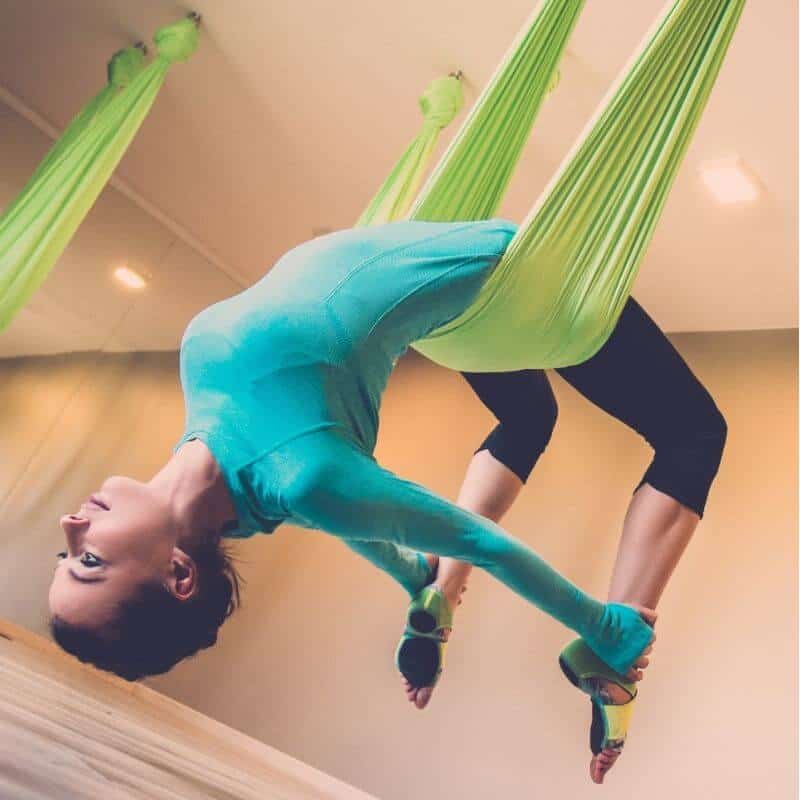
Can Inversions Help You Sleep?
Insomnia is a common problem among many people. The effects of insomnia can be very detrimental to your health and happiness, making it something you want to avoid at all costs. Studies suggest a regular yoga practice can help some people sleep better,3 though there’s no research showing that inversions in particular treat insomnia.
Inversions don’t flood your brain with extra oxygen, because your body keeps blood flow to the brain steady. But many people find the slow, focused breathing of an inversion practice calming, and that can help you wind down.
Here are some inversions to explore as part of a relaxing practice:
Headstands
Headstands put real weight through your head and neck: in one study, people loaded their heads with up to 40–48% of their body weight.4 So learn them with a qualified teacher rather than on your own, and keep holds short while you build strength. Don’t force yourself into positions that aren’t comfortable for your body!
The key to learning a headstand safely is to progress gradually and patiently. If you’re new to yoga, health experts suggest avoiding extreme practices such as headstands and shoulder stands at first.3 Start with gentler inversions such as Downward-Facing Dog or Legs-Up-the-Wall.
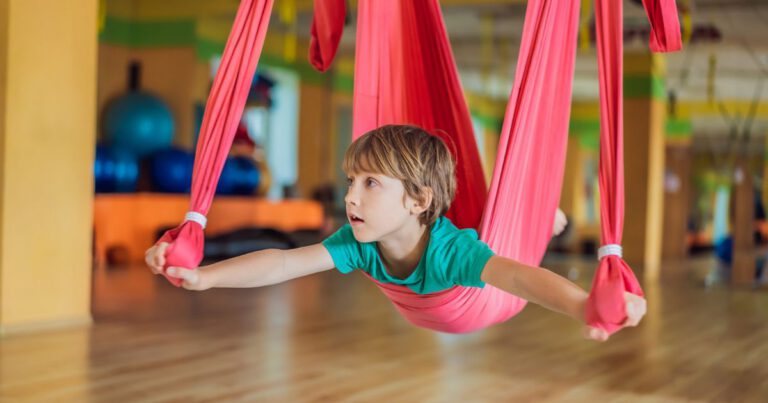
With an aerial hammock, the fabric takes much of your weight in many inversions instead of your head and neck, which many people find a gentler way to get used to being upside down.

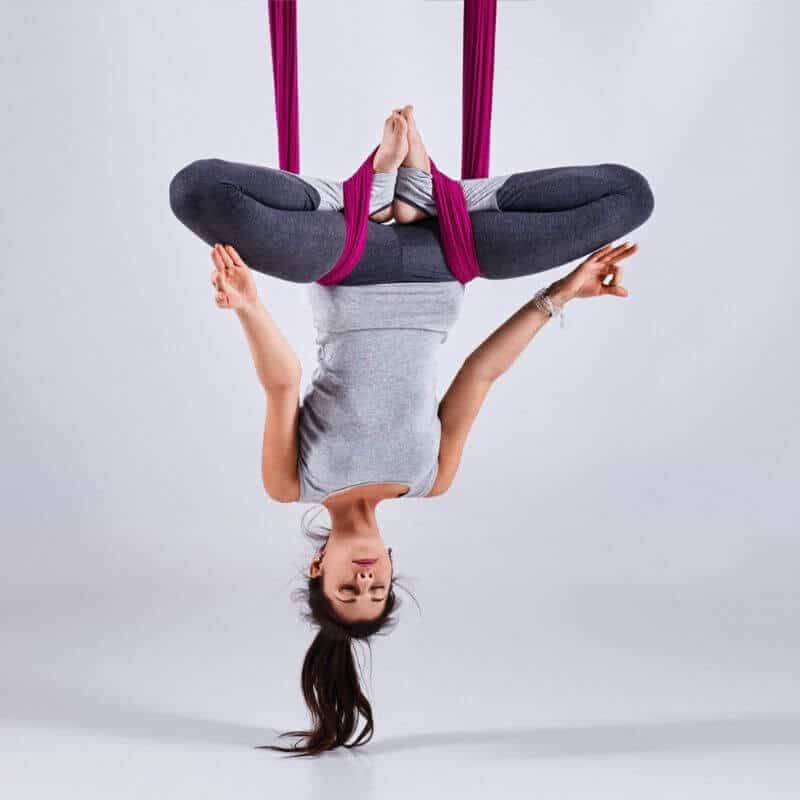
Inverted Lotus Pose (Urdva Padmasana)
You will need silks or a hammock for this one. The Inverted Lotus is a challenging pose that requires you to maintain a certain degree of flexibility and strength in your body. It also requires good control over the muscles in your arms, back, and core.
This pose can be very rewarding for its many benefits, but it is also quite unstable and requires you to feel comfortable with being upside down with no support.
See also: Best Yoga Hammock for Home Use
Downward Facing Dog Pose (Adho Mukha Svanasana)
No silks needed this time! This is a classic yoga pose – the downward facing dog or Adho Mukha Svanasana is a staple for beginner yogis all over the world.
Downward Facing Dog, or Adho Mukha Svanasana, is a foundational yoga pose that can and should be done as part of any yoga routine. It’s a great way to warm up and prepare for more complex poses while also working your core, arms, back, and butt. However, when not done properly it can be dangerous.
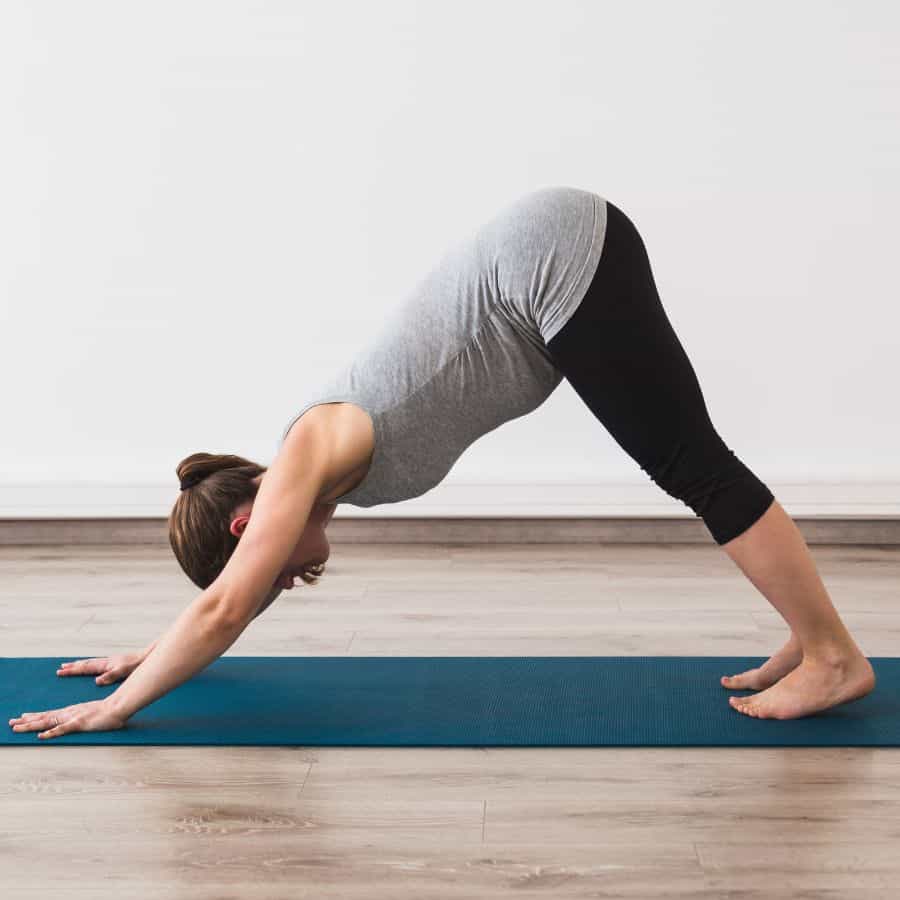
Here are some tips to stay safe while practicing Downward Facing Dog.
See also: Best Aerial Yoga Retreats for your Mind, Body & Soul
Keep your wrists in line with your shoulders
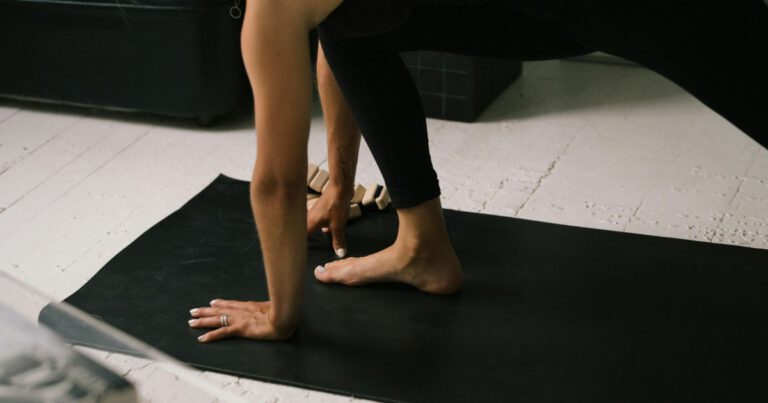
Spread your fingers wide and press your palms firmly into the floor, with your wrists in line with your shoulders.
This spreads the load across your whole hand, so you’re not putting undue pressure on your wrists.
Keep your arms long
Your arms should be long and straight, with a little softness in the elbows rather than locking them.
Press into the ground
Press evenly through both feet for good balance. Your heels don’t need to touch the floor, so bend your knees a little if your hamstrings are tight.
Can Inversions Improve Your Posture?
Good posture is important for your safety and health. Yoga that strengthens your back and opens your chest may help your posture. In one six-month trial, older adults with a rounded upper back saw a small improvement after regular yoga classes.5 You can also get a great stretch in your back by practicing the Cobra pose for just a few minutes each day.
Many people also find that a regular practice leaves them feeling more energized throughout the day.
These poses work the muscles that support good posture:
Shoulder Stand
If you’re looking to challenge yourself, the Shoulder Stand yoga pose is a good place to start. It’s one of the most challenging inversions in yoga, and it requires a lot of strength and endurance in your upper body—especially your shoulders, neck, and hands. If you’re new to yoga, learn it with a teacher first.
You’ll need a mat and enough space to lie flat on your back with your arms by your sides. Start by lying on your back with your knees bent, feet on the floor. Lift your legs and hips up over your shoulders, then bend your elbows and place your hands on your lower back to support it. Your weight should rest on your shoulders and upper arms, not your neck.
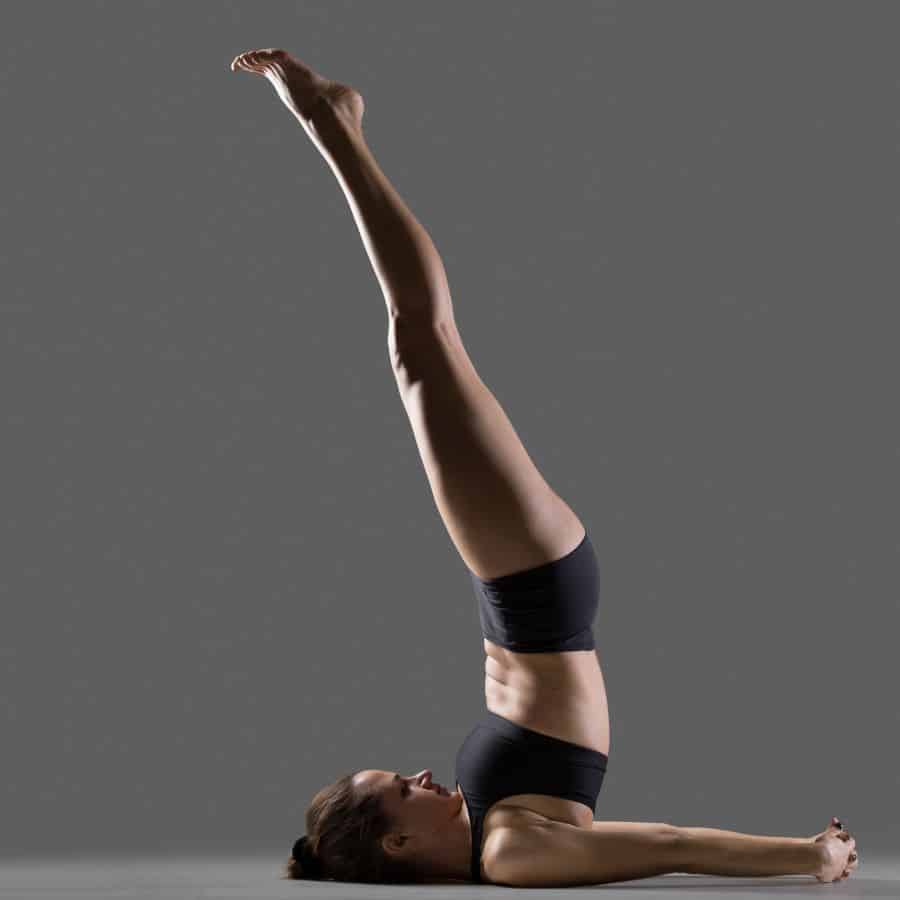
Once your hands are supporting your back, lift one leg at a time towards the ceiling. Keep your neck still and don’t turn your head while you’re up.
In order to get into the full Shoulder Stand pose, lift both legs up until they are perpendicular to the floor—this will require a lot more strength than it might at first seem like it would.
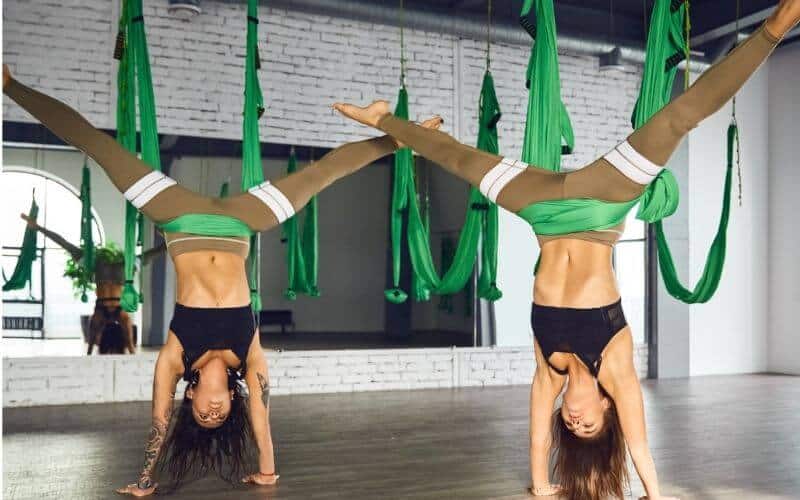
Inverted Star Pose
This pose is awesome because you can get a great stretch in your chest, inner arms, and shoulders. But it’s pretty advanced and not for the faint of heart. The inverted star is one of the more difficult poses in aerial yoga, but with enough dedication and practice, it can be done safely!
- Make sure you’re using a strong grip. Keep your arms straight, but without locking your elbows.
- Don’t drop too fast from your shoulders! If you do, try lowering yourself even slower next time you practice this move to help build up strength in your core muscles.
- When lowering back down, make sure to keep your head tucked into your chest to avoid neck strain.
Can Inversions Help Back Pain?
Back pain is a common problem for many people. Research suggests yoga may offer a slight benefit for low back pain.3 Inversion tables are sometimes used for back pain too, but the evidence for them is limited and comes mostly from small studies,2 so check with your doctor before using inversions for back problems.
Inversions like headstands, handstands, shoulder stands and forearm balances all target different parts of your body depending on how you’re doing them. For example:
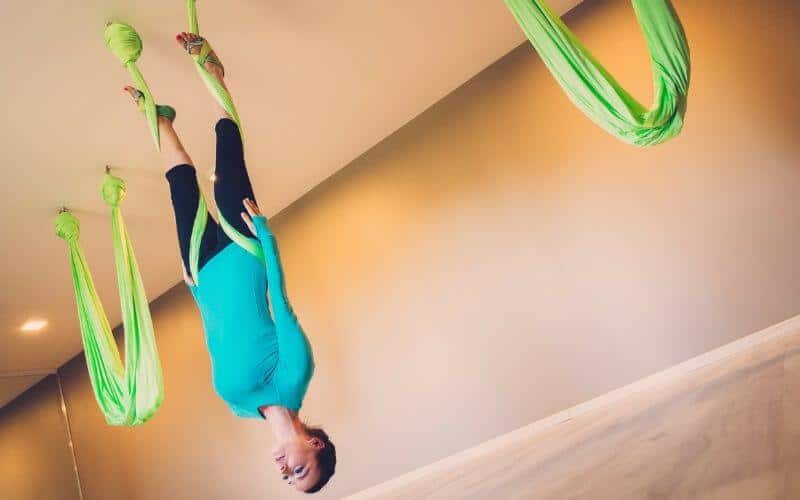
Arrow Pose
Arrow pose will help to strengthen your back muscles which are responsible for supporting your spine. This pose also stretches out the lower back area which is often tight after sitting all day at work or driving long distances in cars/buses/planes etc..
You could also stretch your arms down towards the floor, if you have enough height to do so.
Do Inversions Help Lymphatic Drainage?
Lymphatic drainage is the method by which your body transports fluids throughout your lymph system. It’s similar to how blood flows through veins; however, instead of returning nutrients and oxygen back to the heart, it helps take waste away from the area being drained.
This fluid can build up in areas where there’s inflammation or infection, causing swelling and pain. By promoting drainage of this excess fluid from these areas, your body can get rid of it more easily—allowing you to feel better sooner!
Your lymphatic system depends partly on muscle movement to keep fluid flowing,6 so any active yoga practice helps keep things moving. There’s no good research showing that inversions themselves improve lymphatic drainage, though.
Can Inversions Help With Stress and Digestion?
If you’re looking for a way to relieve stress and anxiety, yoga may be a great option for you. Yoga in general has been shown to help people manage stress.3
A small lab study found that a gentle head-down tilt nudged the nervous system toward a calmer state,7 but there’s no good evidence that inversions improve digestion or boost brain oxygen. If you have acid reflux, check with your doctor before going upside down.
What Inversions Can (and Can’t) Do
Done safely, inversions can build strength and body awareness, and many people find them calming.
Inversion yoga poses can be an energizing way to start your day, and a gentle inversion sequence can leave you feeling refreshed. If you have lower back discomfort, ask your doctor or physical therapist which poses suit you.
Inversions are excellent for the mind too – with their calming effects on both body and spirit; inverted poses provide an opportunity for reflection and self-reflection which is especially useful when combined with meditation techniques such as mantra chanting or dharana (a form of concentration meditation).
Who Should Avoid Inversions?
Going upside down isn’t for everyone. Head-down poses raise the pressure inside your eyes, and a headstand can double it,8 so if you have glaucoma or another eye condition, check with your eye doctor first.9 See your doctor before inverting if you have high or low blood pressure, heart disease, acid reflux, or a history of stroke.2
Headstands put a lot of weight through your head and neck, so avoid them after a neck injury. If you’re pregnant, ask your provider first and avoid activities that may result in a fall.10 And if you’re a beginner, learn inversions with a qualified teacher.
Related: Is Aerial Yoga Safe?
Conclusion
Many people find inversion yoga soothing and calming, and a regular practice can build strength and body awareness. Start gently, learn the harder poses with a qualified teacher, and check with your doctor first if any of the conditions above apply to you. Enjoy the new perspective!
Sources
- Minvaleev RS, et al., “Headstand (Sirshasana) Does Not Increase the Blood Flow to the Brain”, Journal of Alternative and Complementary Medicine, 2019. ↩︎
- Cleveland Clinic, “Inversion Tables Might Flip the Script on Back Pain”, 2025. ↩︎
- National Center for Complementary and Integrative Health (NCCIH), “Yoga: Effectiveness and Safety”. ↩︎
- Hector R and Jensen JL, “Sirsasana (headstand) technique alters head/neck loading: Considerations for safety”, Journal of Bodywork and Movement Therapies, 2015. ↩︎
- Greendale GA, et al., “Yoga decreases kyphosis in senior women and men with adult-onset hyperkyphosis: results of a randomized controlled trial”, Journal of the American Geriatrics Society, 2009. ↩︎
- Cleveland Clinic, “Lymphatic System”. ↩︎
- Malhotra V, et al., “Effect of head down tilt on heart rate variability”, Journal of Family Medicine and Primary Care, 2021. ↩︎
- Baskaran M, et al., “Intraocular pressure changes and ocular biometry during Sirsasana (headstand posture) in yoga practitioners”, Ophthalmology, 2006. ↩︎
- Jasien JV, et al., “Intraocular Pressure Rise in Subjects with and without Glaucoma during Four Common Yoga Positions”, PLoS One, 2015. ↩︎
- American College of Obstetricians and Gynecologists (ACOG), “Exercise During Pregnancy”, September 2024. ↩︎